

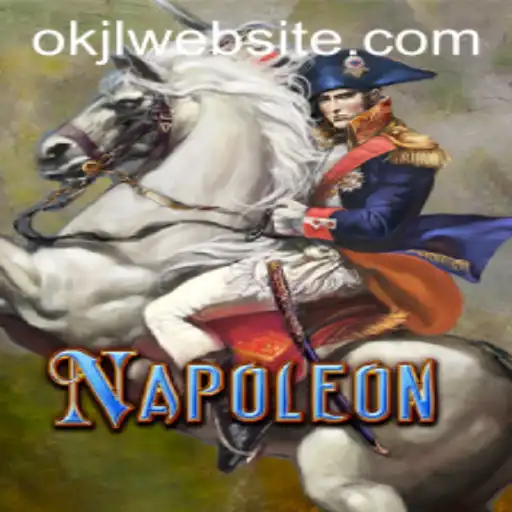

The card game Napoleon, inspired by the formidable strategist and historical figure Napoleon Bonaparte, offers players a thrilling platform to exhibit their strategic acumen and social interaction skills. Popular across different cultures, Napoleon has woven itself into the modern tapestry of leisure, embracing both traditional and digital interfaces. In this article, we delve into the intriguing dynamics of Napoleon, illuminating its rules, structure, and how it fits within today's gaming landscape.
Naming itself after the famed French military leader, the card game Napoleon is built on principles of strategy, bidding, and partnership. With its origins tracing back to the 19th-century Britain, the game quickly gained traction among card enthusiasts for its unique take on bidding and trick-taking. Contemporary renditions have seen the game adapt to digital platforms, bringing it to a wider audience and immersing players from across the globe in this tactical contest.
Players assume the role of generals, plotting their path to victory by outsmarting their opponents with calculated moves. The essence of Napoleon lies in its bidding system, where players must judge the strength of their hands and bid the number of tricks they believe their chosen team will win. Just like Napoleon Bonaparte himself, the game demands foresight, daring, and occasionally, a bluff to outmaneuver others.
While variations exist, the standard format of Napoleon most commonly played involves a deck of 52 cards, although some iterations might incorporate jokers or special decks. Usually, the game accommodates three to seven players, with five being the most traditional number.
The game begins with the dealer distributing five cards to each player, with the rest placed face down in the center forming the kitty. Once cards are dealt, players enter the bidding phase, starting with the player to the dealer's left. Here, bids are made in terms of the number of tricks that a player promises to take, with the highest bid becoming the titular 'Napoleon' for that round.
Typically, the minimum bid starts at a certain number, often three, with subsequent players either raising the bid or passing. The strategic depth unfolds during this bidding phase, as players must assess the strength of their hands and that of potential opponents. The player with the highest bid then declares a trump suit or opts to play without any trump, further influencing the round's progression.
Once the trump suit is declared, gameplay resumes with the lead going to the player left of the dealer. The objective for each player is to make tricks, matching or surpassing their declared bid. A keen observation of others' card plays, along with calculated risk-taking, distinguishes successful players.
If the bidding player, now Napoleon, successfully achieves their bid, they score positively, while failure results in penalties. Other players who outperform the Napoleon often earn points for disrupting the leading strategy. This competitive nature of Napoleon offers a dynamic balance between offense and defense, testing one’s adaptability in each round.
In today’s gaming ecosystem, Napoleon persists due to its adaptability and the skill it demands from players. With digital transformation facilitating broader access, platforms now offer online multiplayer forums where enthusiasts can engage in real-time competitions with others worldwide. This digital shift has been pivotal, especially during recent global events which necessitated distancing, making online platforms a sanctuary for social interaction and recreation.
Modern game design has seen more collaborative and engaging interfaces incorporated into Napoleon to maintain relevance within vast digital landscapes. Enhanced graphics, interactive tutorials, and competitive ladders have all contributed to Napoleon's enduring popularity. The inclusion of leaderboards online adds another layer of competitive allure, drawing in ambitious players eager to prove their strategic prowess.
In a curious development within the game's persistent evolution, the term ‘okjl’ has emerged, representing a new layer to the game dynamics. This addition, whether as a new card rule or a strategic maneuver, showcases Napoleon’s capacity for innovation within its established framework.
The exact origin and implementation of okjl within the game's context perhaps contribute to a more unpredictable, exciting variety of moves available to players. As modern culture continues to influence traditional games, such adaptations ensure Napoleon remains not only a relic of history but a vibrant part of today's entertainment milieu.
For those intrigued by the rich tapestry of strategic games, Napoleon offers an engaging arena where skill and wit are perpetually rewarded. Whether sitting at a physical card table with friends or logging into an online platform, Napoleon presents a unique blend of historical tribute and modern-day gaming excellence. Head over to our homepage for more insights into classic card games with a contemporary twist.

Explore the mystical world of LadyPhoenix, a captivating game blending strategy, mythology, and current events, complete with engaging rules and gameplay mechanics.

Dive into the captivating realm of DALEMEN, a revolutionary game that combines strategy and adventure with the unique keyword 'okjl'. Discover its gameplay, rules, and its impact on the gaming community.

Explore the innovative world of EyeOnTheMoney, a captivating game where strategy aligns with current economic trends and unpredictable twists.

Discover the captivating realm of BaoBoonChin, a game that blends traditional elements with modern gameplay mechanics. Learn about its intriguing introduction, diverse description, and comprehensive rules.

Explore the thrilling adventure game Hercules, where myth meets modern gameplay.

Explore the captivating world of LuckySmile, the innovative game integrating real-time events with strategic gameplay, offering endless fun and challenges.
